Bluetooth Profiles > A2DP & AVRCP

A2DP & AVRCP
Advanced Audio Distribution Profile (A2DP) is a core Bluetooth audio transmission specification, aimed at achieving high-quality audio one-way transmission from the audio source to the receiving device in mono, stereo, or multi-channel modes.
Audio/Video Remote Control Profile (AVRCP) is a core Bluetooth audio control specification, designed to establish remote control and status synchronization mechanisms between audio/video devices, ensuring interoperability in functionality and interaction processes among related Bluetooth devices.
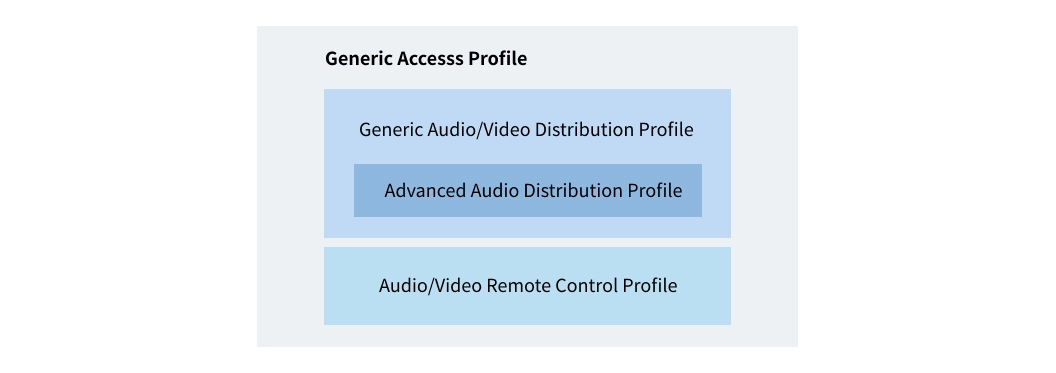
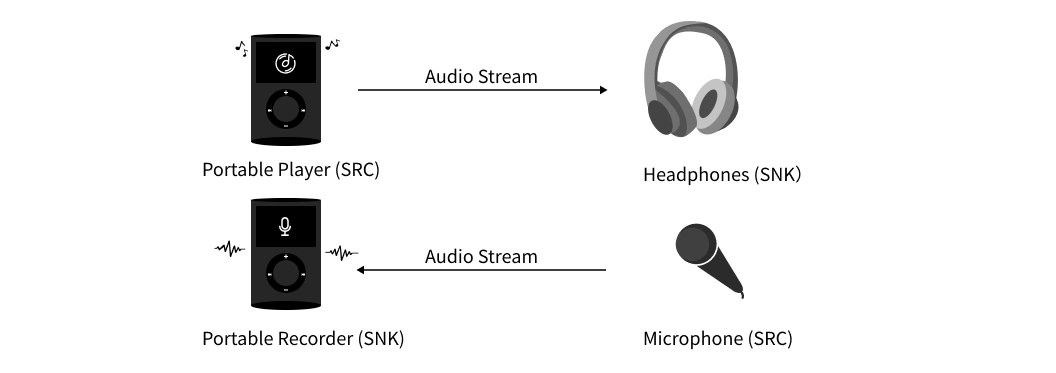
In A2DP applications, two roles are defined:
1. Audio Source (A2DP Source): The device responsible for providing the audio data to be transmitted, serving as the sender of the audio stream.
2. Audio Sink (A2DP Sink): The device responsible for receiving and decoding the audio stream, acting as the receiver and player of the audio stream.
In AVRCP applications, two roles are defined:
1. Controller (AVRCP Controller): The device initiating remote control commands, acting as the active party in control operations.
2. Target (AVRCP Target): The device receiving and responding to control commands, acting as the passive party in control operations.

Application Scenarios of A2DP & AVRCP Technology
A2DP and AVRCP are complementary core protocols in Bluetooth audio technology. A2DP is responsible for the wireless transmission of high-quality audio streams, while AVRCP provides remote control functions for audio playback. Together, they work in tandem to meet the audio interaction needs across various fields such as consumer electronics, automotive systems, and smart homes. Specific application scenarios are as follows:
Personal Consumer Audio Devices
This is the most basic and widely applied scenario for A2DP/AVRCP, mainly serving personal wireless audio playback and convenient control:
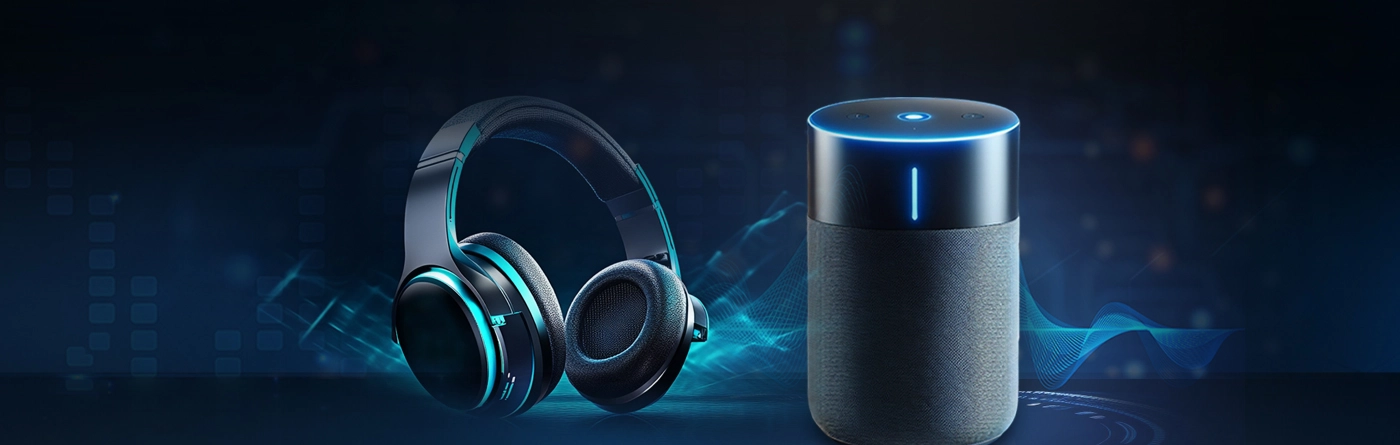
1. Bluetooth Headphones: Wireless Bluetooth headphones receive stereo audio streams from a mobile phone or computer. Users can send commands such as play/pause, track skipping, and volume adjustment through physical buttons or touch modules on the headphones. The mobile phone acts as the controlled device for AVRCP, responding to operations and providing track information feedback.
2. Bluetooth Speakers: Home or portable Bluetooth speakers receive audio and video streams from the audio source. Users can control playback through buttons on the speaker panel or a paired remote control. Some smart speakers can also obtain and display track metadata from the audio source via the AVRCP profile.
In-Car Bluetooth Systems
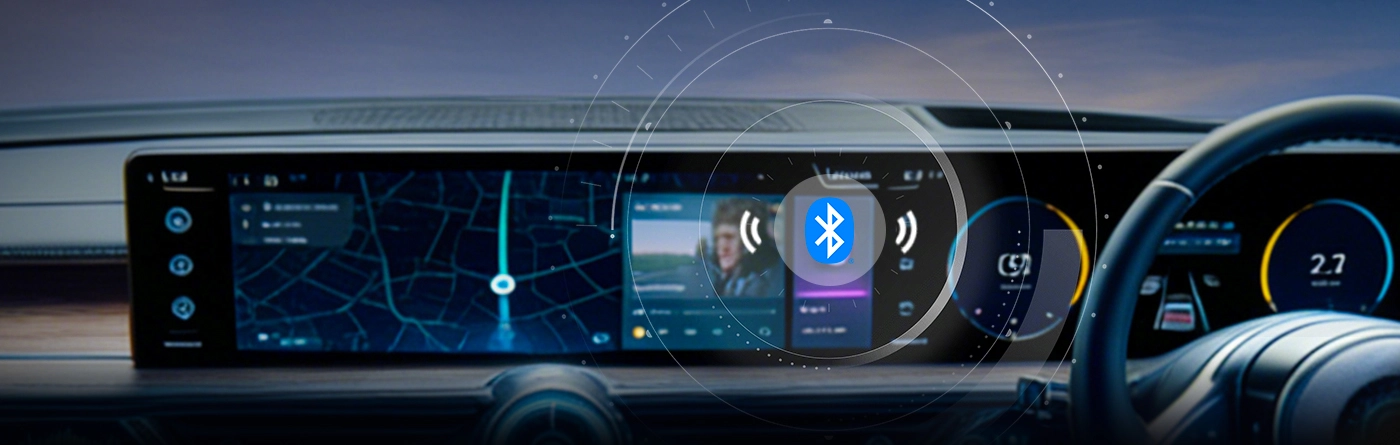
The automotive environment is a key application area for A2DP/AVRCP technology, aiming to balance entertainment experience and operational safety during driving. The in-car Bluetooth module receives audio streams such as music and podcasts from the phone via the A2DP profile and plays them through the car's sound system. Drivers can directly perform actions like skipping tracks, adjusting volume, and pausing playback using the control buttons on the steering wheel or the central touchscreen, without needing to operate the phone, which helps enhance driving safety. Furthermore, the car's head unit supports accessing the phone's media library through the AVRCP profile, enabling advanced control functions such as browsing track lists and switching playlists. Additionally, the car screen can synchronously display metadata information like the name of the current track and the artist.
Smart Home and Smart Wearable Devices
In the smart home ecosystem, the collaboration of both protocols enables interconnection and convenient control of audio devices:
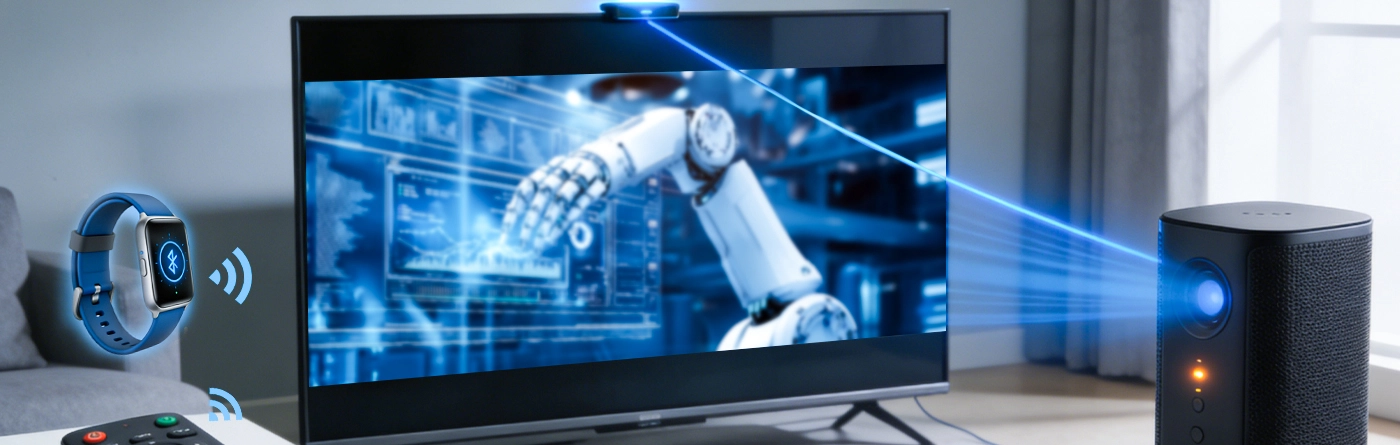
1. Smart TV/Set-Top Box: Smart TVs can transmit audio streams via A2DP to Bluetooth speakers or wireless headphones, avoiding interference with others from TV's external sound. Users can use the TV remote control or a smart wristband as an AVRCP controller to control audio playback and obtain information like playback progress and program names from the TV through the AVRCP protocol.
2. Smart Wearable Devices: Smart watches, fitness bands, and other devices can pair with phones to not only receive A2DP audio streams from the phone (some devices support direct playback) but also act as AVRCP controllers to remotely control music playback on the phone.
Office and Entertainment Devices
In office and entertainment scenarios, both protocols enhance the wireless interaction experience of devices:
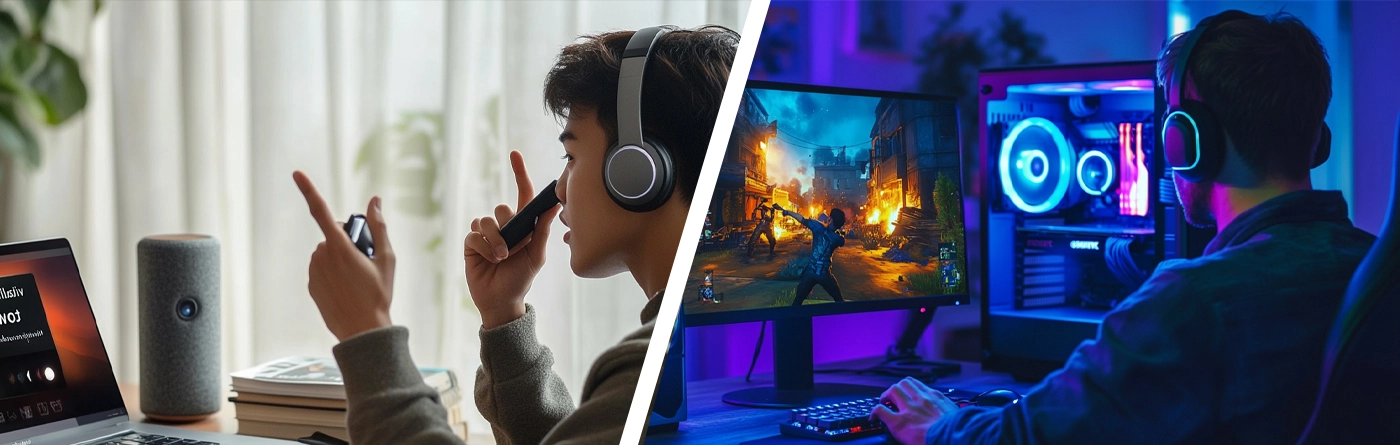
1. Computers and Wireless Audio Devices: Laptops and desktops transmit audio (like meeting voice, music, video audio) to Bluetooth speakers and wireless headphones via A2DP. Users can control playback using keyboard shortcuts or multimedia buttons on wireless keyboards and mice (AVRCP Controller) or remotely operate computer audio playback via headphone buttons.
2. Gaming Devices: Gaming consoles (such as PS, Xbox) transmit game audio to Bluetooth gaming headphones via A2DP. Players can adjust volume and pause game background music using headphone buttons (AVRCP Controller). Some gaming peripherals also support obtaining in-game audio status information via AVRCP.
Special Scenarios: Medical and Fitness Equipment
In specific professional fields, A2DP/AVRCP have targeted applications:
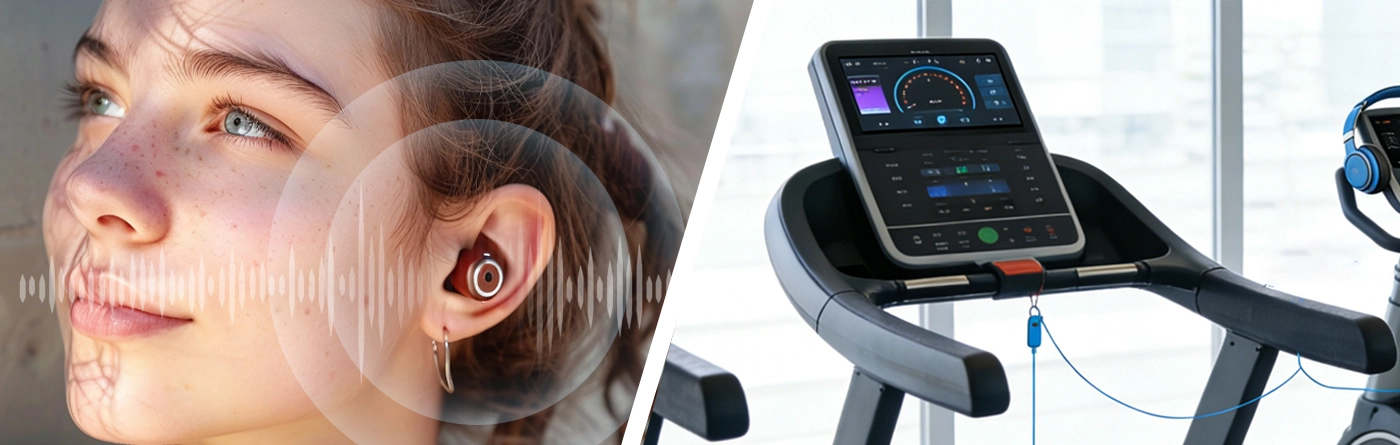
1. Medical Audio Devices: Bluetooth hearing aids and other hearing assistance devices use A2DP to receive audio streams from phones or medical terminals, helping individuals with hearing impairments clearly access sounds. Simple buttons on the device (as AVRCP controllers) can be used for basic control such as adjusting volume or switching audio.
2. Fitness Equipment: Display devices on treadmills, exercise bikes, and other fitness equipment can connect to a user's Bluetooth headphones via A2DP to play workout music. Users can control music playback directly through the fitness equipment's control panel (as AVRCP controllers) without interrupting their exercise.




 苏公网安备32059002006558号