Bluetooth Profiles > Bluetooth® LE Audio

Basic Mechanism
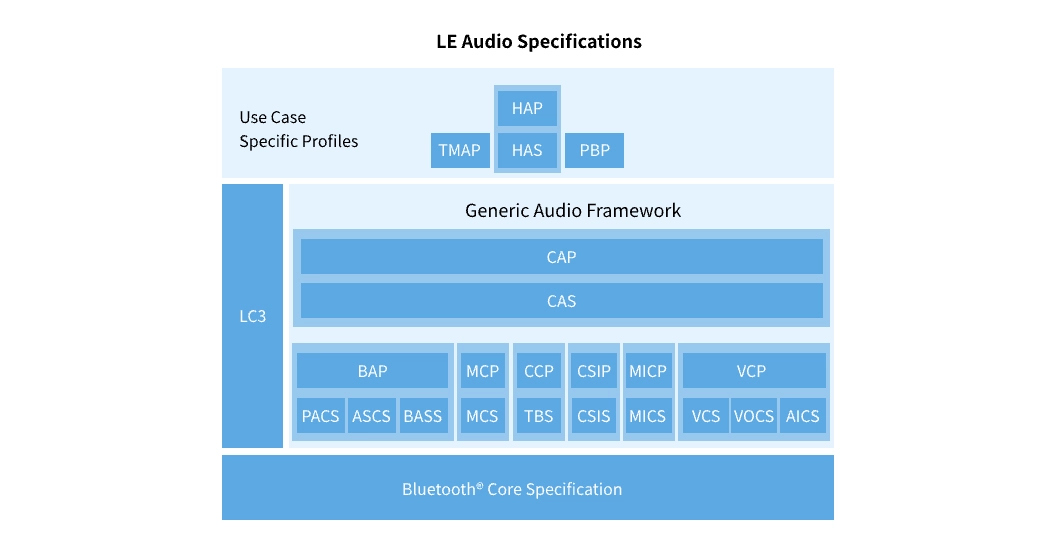
LE Audio Specifications
The architecture of the LE Audio Specification consists of several distinct modules:
- The Bluetooth Core Specification serves as the foundation, providing essential features such as Connected Isochronous Stream (CIS) and Broadcast Isochronous Stream (BIS).
- LC3 is a high-quality, low-power audio codec.
- The Generic Audio Framework Specifications define a versatile middleware solution for audio transmission and management.
- The Use Case Specific Profiles define interoperable support for audio use cases.
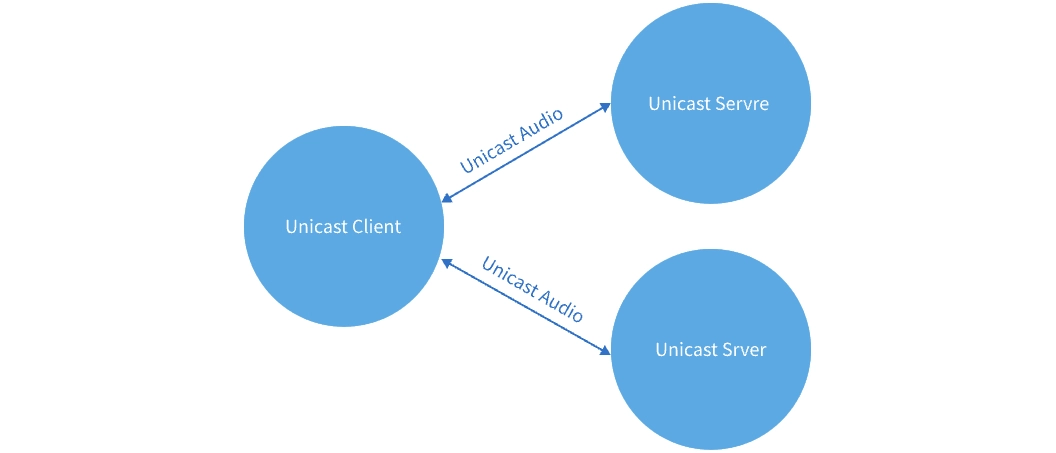
Unicast Audio
Unicast Audio supports bidirectional, one-to-one audio stream between two connected devices. Unicast Client creates an LE connection and CIS with Unicast Server to send and receive audio stream.
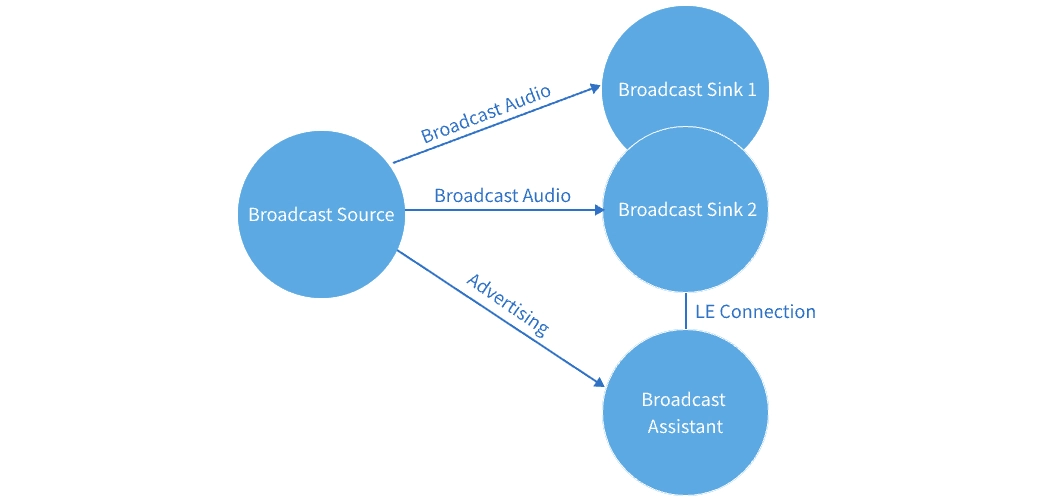
Broadcast Audio
Broadcast Audio supports unidirectional, one-to-many audio stream. Broadcast Sink synchronizes with Broadcast Source and receives audio stream. Broadcast Assistant can assist Broadcast Sink to select and synchronize with Broadcast Source.
BAP Roles
BAP defines six roles, with specific functions referenced in the table.
Developers can determine if the corresponding BAP roles are supported based on the capabilities of the IC and the LL Features support requirements in the table.
For specific applications, developers can check if the roles defined in the use case profiles are supported according to the requirements for BAP roles in the use case profiles.
| BAP Role | Function | LL Feature Supported Requirements |
|---|---|---|
| Unicast Server | Provides bidirectional audio streams within established connections, suitable for devices like headphones and speakers requiring stable, interactive connections. |
|
| Unicast Client | Initiates connections to Unicast Servers and exchanges audio data, typically implemented in control devices such as smartphones and computers. |
|
| Broadcast Source | Transmits unidirectional audio streams to multiple receivers without connections, ideal for public broadcasting systems or Auracast™ shared audio. |
|
| Broadcast Sink | Receives audio streams from Broadcast Sources without connection establishment, enabling synchronized audio reception across multiple devices. |
|
| Broadcast Assistant | Auxiliary role managing parameter synchronization for broadcast sources and coordinating synchronization between receiving devices, enhancing broadcast efficiency and stability. |
|
| Scan Delegator | Delegates scanning of broadcast source metadata and relays information to other devices, streamlining the scanning process for receivers. |
|
Usage Scenarios
Connection-Oriented Multi-Stream Audio
An audio source device can transmit multiple synchronized audio streams to one or more connected audio sink devices.
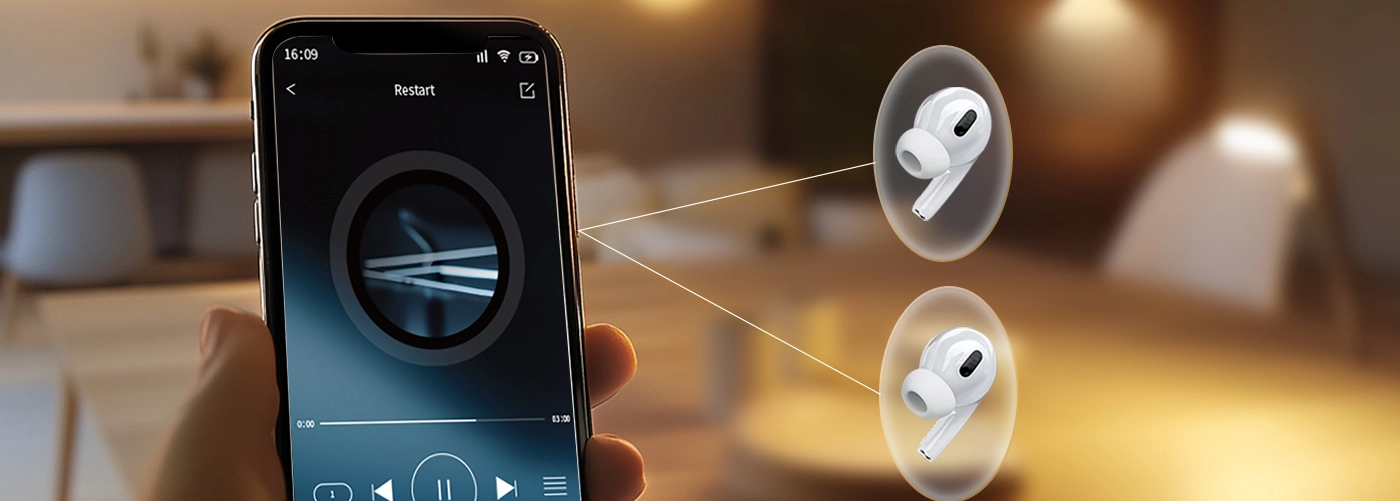
Product: Earbuds

Hearing Aids
LE Audio defines profiles for hearing aids that adapt to various surrounding environments and application scenarios, enabling individuals with hearing impairments to more efficiently enjoy the benefits and convenience of wireless audio technology.

Product: Bluetooth Hearing Aids

Audio Sharing
Broadcast audio enables people to share audio more conveniently and efficiently.
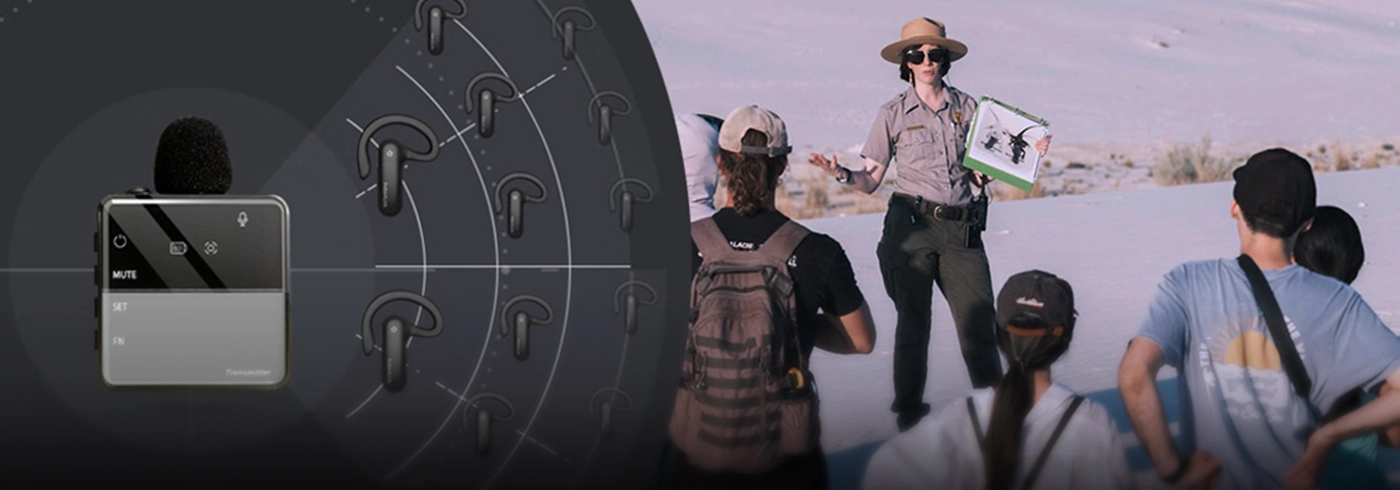
Product: Broadcast Tour Guide Device

Connectionless Multi-Stream Audio
Broadcast audio supports multiple audio streams such as languages to cater to diverse needs of users.
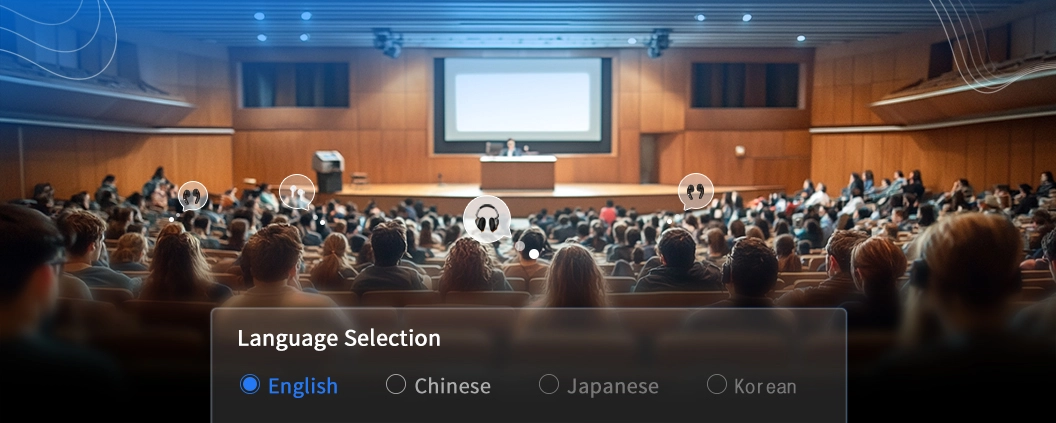
Product: Broadcast Fitness Audiovisual Devices





 苏公网安备32059002006558号